Be Afraid ... Be Very Afraid
Stories give us a place to put our fears. Stories that frighten us or unsettle us give us the means to explore the things that scare us… but only as far as our imaginations and our experiences allow.
Read the thoughtWriting · Thoughts
Essays and reflections on writing, culture, history, community, and the ideas that stay with us.
Stories give us a place to put our fears. Stories that frighten us or unsettle us give us the means to explore the things that scare us… but only as far as our imaginations and our experiences allow.
Read the thought
And of course every event we experience, especially crisis events, changes us. And that affects how we express ourselves.
Read the thought
And I wonder, sometimes, if playing the fiction card relieves us—readers and writers alike—from the storyteller’s responsibility, the obligation to observe and reflect a culture, a society, a time.
Read the thought
I want potential readers to check out my books on virtual shelves in the same way I want them looking through them in a bookshop or library.
Read the thought
I’ve been immersed in the world of high-end art forgeries, and as usual am following every rabbit down every hole in sight. Some of the most high-profile art forgers went on to become celebrities in their own right, with plenty of contemporary collectors still willing to knowingly pay thousands for counterfeits.
Read the thought
Along with Tolkien and Lewis and another of my favorites, G.K. Chesterton, Buchener’s work affirmed that faith and doubt live alongside each other; that you cannot have the one without the other.
Read the thought
How do we regard artists whose contributions are significant, and yet whose public views on other people are questionable at best and scathingly horrible at worst?
Read the thought
It reminds me in my own writing to allow for that glimmer of hope, to show that evil needs to be confronted and that goodness can prevail.
Read the thought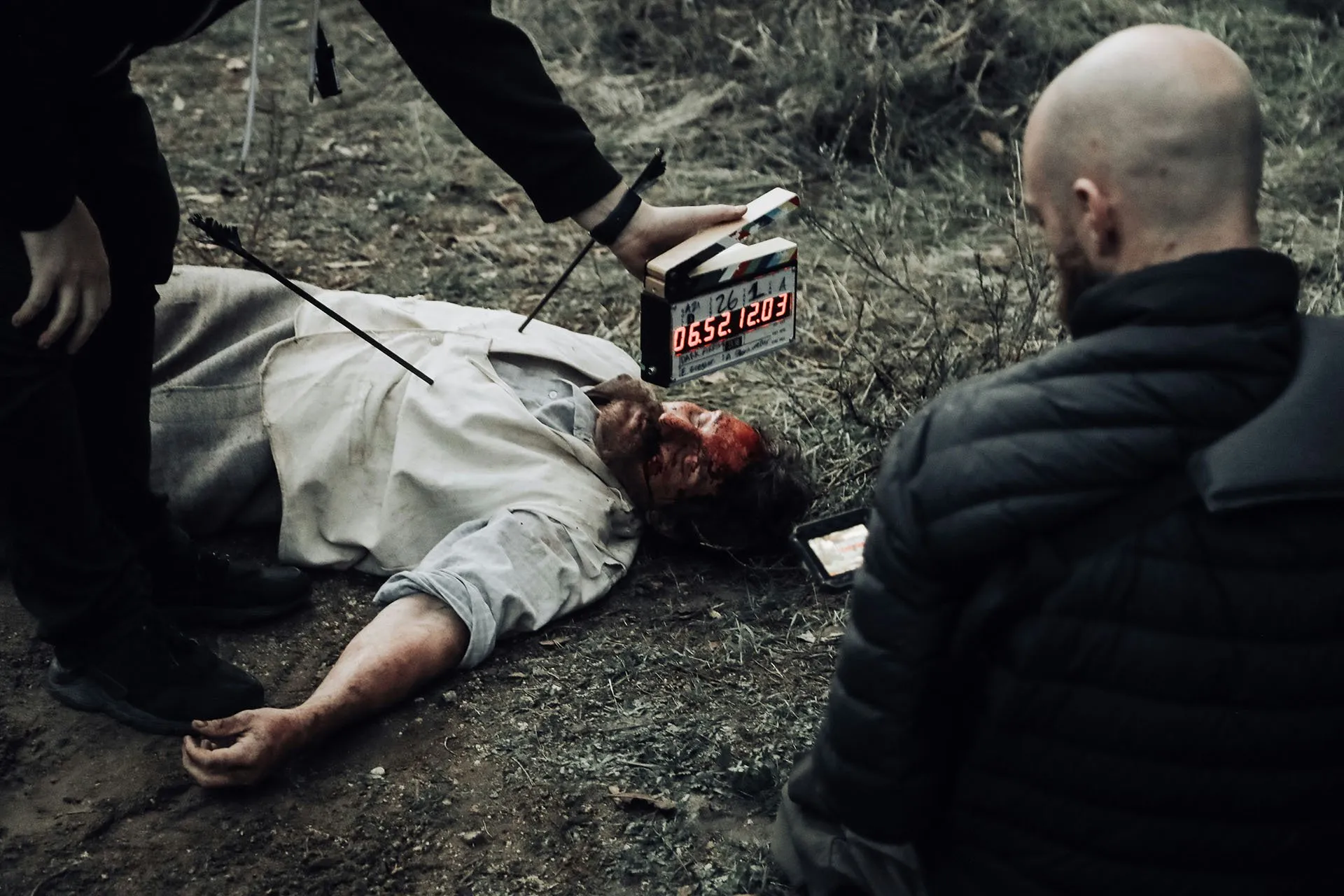
The rest of her story is dreary and pedestrian (as most real murders tend to be; it’s never Colonel Mustard, in the library, with a candlestick): the couple was experiencing financial difficulties and she thought a big life-insurance payout would make everything just peachy-keen.
Read the thought
We’re lightweights in the Moby-Dick Marathon, as it’s called. In New Bedford, they’re hardcore: they power on straight through, so volunteers can find themselves reading at three o’clock in the morning.
Read the thought
So, I decided, it’s time to clean out that folder. Trash the stuff that didn’t work then, doesn’t work now, will never in this lifetime even have a stab at working. It’s an interesting journey, back into the early days of my storing my work in bytes rather than paper pages, and some of it has not aged well.
Read the thought
You locked the door to your house carefully when you went out. You come home after dark and find the door mysteriously cracked open and darkness within. What do you do?
Read the thought
How can you develop empathy? Read stories! Stories—whether fiction or nonfiction—invite you into someone else’s life. They allow you to feel pain and sorrow, joy and transformation; to love deeply and hate just as deeply; to achieve and to fail.
Read the thought
Hemingway was confident his work would get done by accepting past disappointment and knowing punitive self-judgments were unlikely to get his book written any faster or better.
Read the thought
At a time when most authors are expected to do the heavy lifting around marketing their books, the more you can improve the skills that enable that heavy lifting, the more results you will see.
Read the thought
Jeannette de Beauvoir answers questions about her own reading preferences and habits.
Read the thought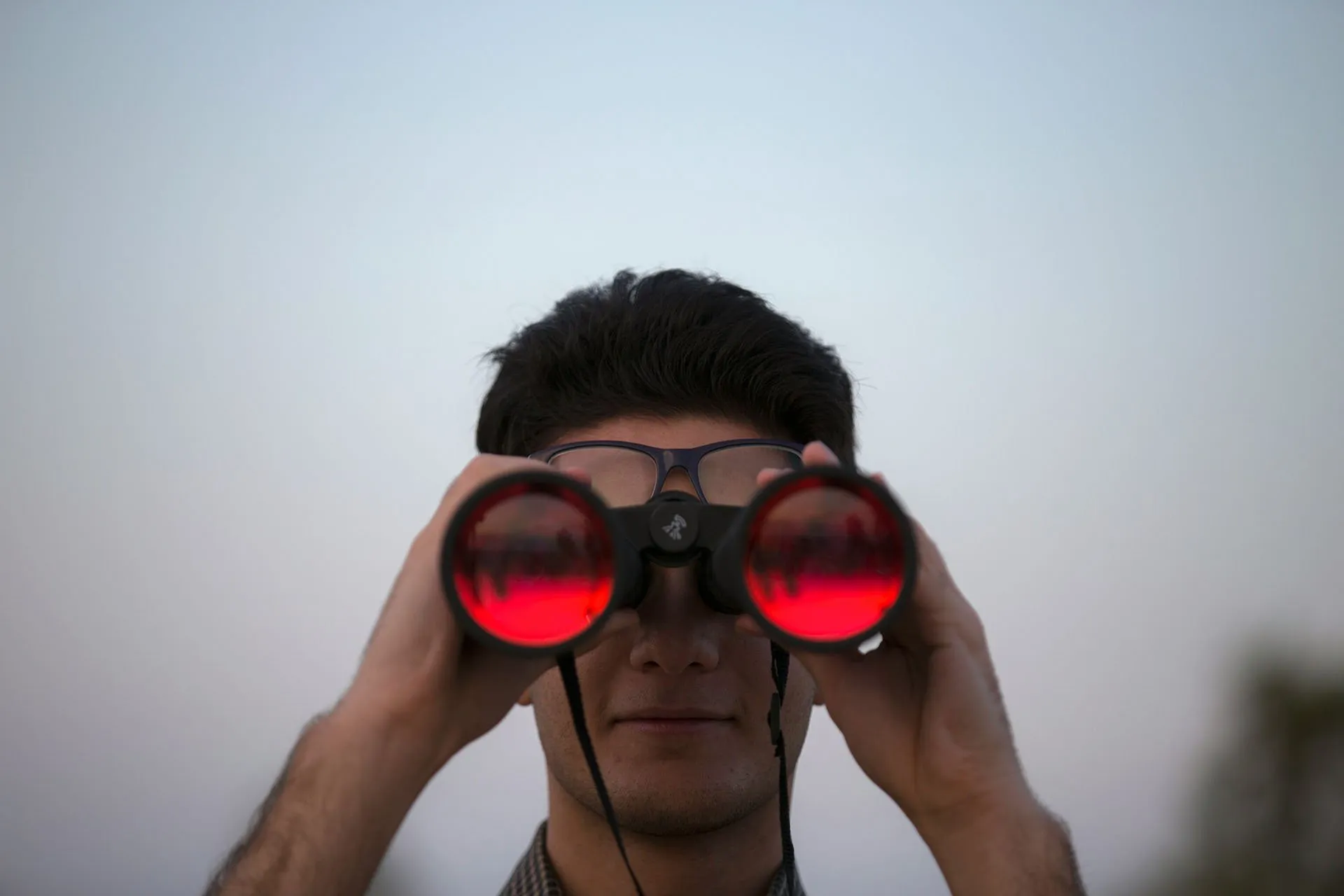
“Where do your ideas come from?” Some of the answers might not be right for you, or might not be right at any given time. But in this as in all things, perseverance pays. If you’re pining for inspiration, here are a few places you might look…
Read the thought
There are many ways in fiction to manipulate what the reader does—and doesn’t—know. Any time an additional timeline is added, the reader’s knowledge about the universe in the book expands.
Read the thought
We have so much to do, on so many levels, but one of our goals as people of letters must be to search all the nooks and crannies of our language, the places where racist imagery lies in wait, the unexpected moments of truth.
Read the thought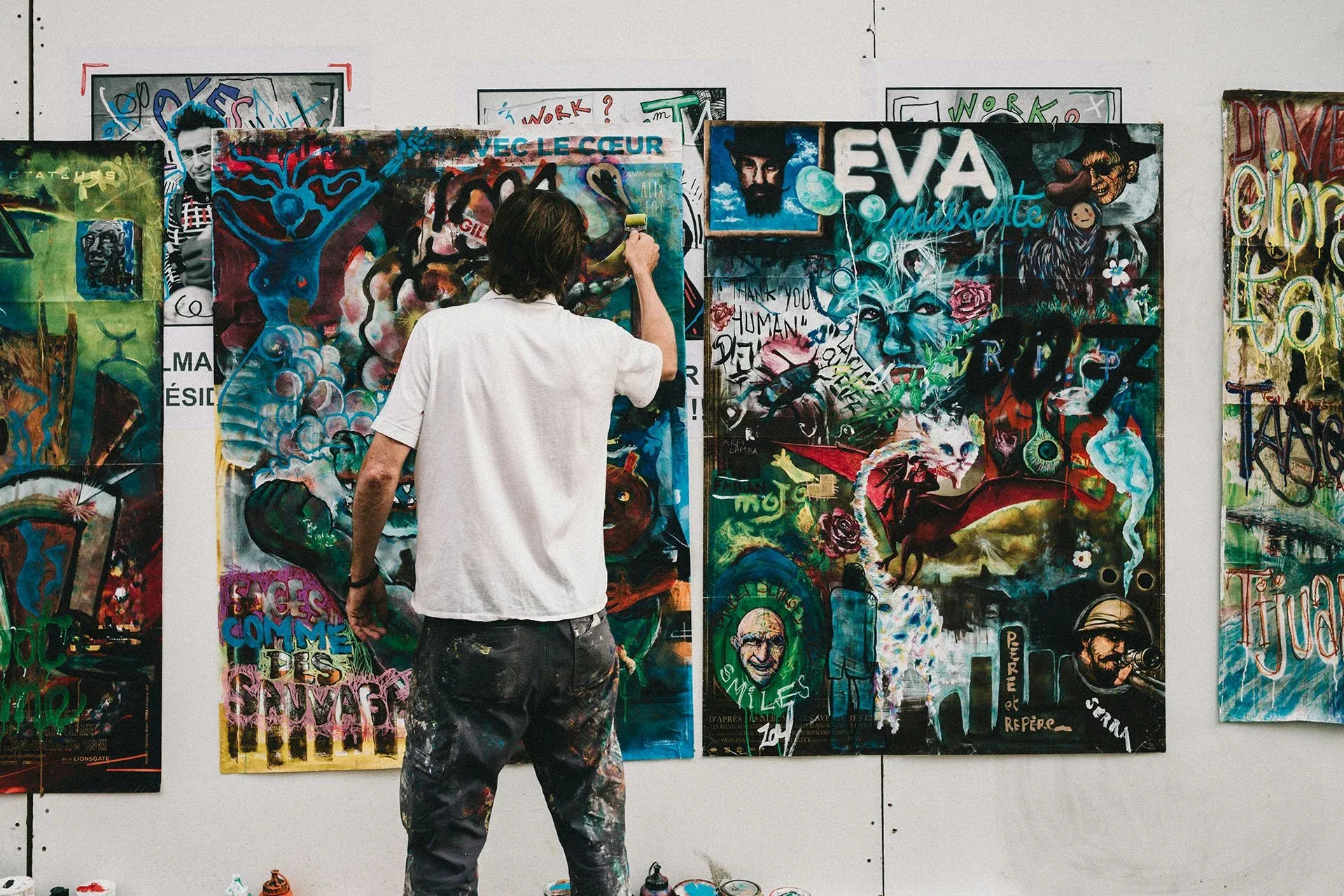
So, yeah—I’m jealous of visual artists. But more importantly, I’m in awe of them. And deeply grateful that we can watch them work… and be ourselves elevated in the process.
Read the thought