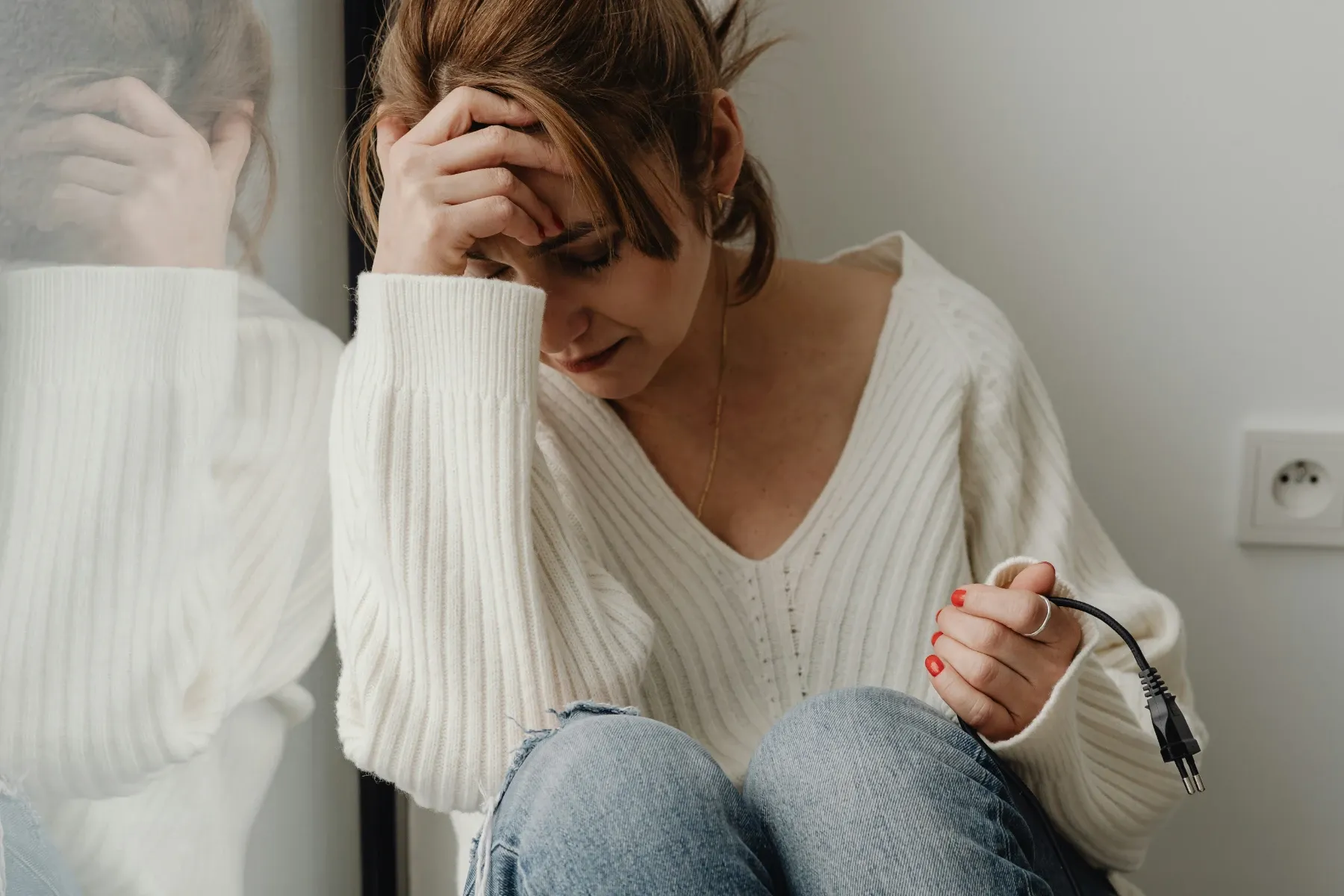
I miss my writing partner.
Assaf and I met a few decades ago—I can’t even remember how. Perhaps via the now-defunct National Novel Writing Month? My memory isn’t clear about that, but what is clear is the memory of our weekly video meetings via Skype, talking each other through our projects, workshopping ideas and pages, sometimes just chatting aimlessly.
We wrote way different things—he was doing speculative fiction and I was writing mysteries—but somehow we made it work. Most of all, I think, we were a literary presence for each other. There was an element of accountability offered; I always tried to write what I’d committed to, and I know he did the same. But there was also just solidarity: there we were, in very different parts of the world, feeling our way together to words and stories and community.
These days, I’m part of a writing accountability group that meets daily, not weekly, and it does a good job of keeping the seat of my pants in the seat of my chair and in making me stay with goals I set. It’s a part of my practice that’s genuinely helpful, and there are people in it who support me in beautiful ways.
But it’s certainly not the same as working one-on-one with another person. It’s not the same as reminding myself to mention this or that to Assaf, to think of him whenever I got a turn of phrase just right or saw a cartoon that cut right to the quick of what we were doing. I took him with me when I traveled, when I needed inspiration, when I wanted to vent.
Until I couldn’t. Until the gulf between us grew too wide and too deep for even storytelling—the great equalizer, the great connector—to be able to bridge it.
This may be feeling familiar to you. As writers, we deal all the time with pain and grief, with terrible loss and unspeakable harm. We even believe that we can enter into these feelings, empathize with the people we’re writing about, bring them out the other side.
But the past ten years have taught us that some stories are too fragile to withstand the crushing weight of conflict over the most fundamental issues of life, over whether we can live out the values we claim to hold in our everyday lives. I know many people who no longer communicate with a once-upon-a-time friend, who cannot go to family events anymore, who have tried and failed to find any common ground.
I thought it would happen to me in my personal life, and it has. What I never thought was that it would challenge my belief that we as artists can point to the world’s pain, name it, and at some level heal it. I couldn’t heal things with Assaf; he couldn’t bridge the abyss between his world and mine. We failed each other, we failed the work we shared, and we possibly failed ourselves.
But there was no other way, because there is a point where “politics” becomes more than politics; it becomes something deeper, truer, more visceral. The expression “this is the hill I’ll die on” takes on new significance. I haven’t died, Assaf hasn’t died; but something else has. We will never be able to speak again, work again, laugh again, because our core fundamental values won’t ever allow it. It’s a one-way street.
I want one day for there to be truth and reconciliation, but for that to happen, there has to be—to fall back on a word from my religious tradition—repentance. Those who are doing such great harm to others must take responsibility for their beliefs and actions. That’s the only way home. When that happens, we can all go back to doing what we do best.
But for now, it seems to me, artists—storytellers, visual artists, musicians, performers—must be the ones to tell the truth. To name the evil. To call out the cruelty.
And sometimes the only way to do that is … to lose people. With sadness, with regret, with pain. I still miss my writing partner, a man who enriched my life and vitalized my work. We’re called to different things in different seasons of our lives, and sometimes we are called to loss. Knowing that doesn’t make it easier.
But it makes it right.